There is a close connection between Palace Hotel and entertainment. World-class musicians such as Ray Charles have staged shows there, winning more fans, ever since the late 1960s. Oscar Peterson, one of the leading jazz pianists of the 20th century, performed at Palace Hotel as Last the Trio on May 27, 1972. This was one of his last trio performances. The excitement was captured on the live album The Oscar Peterson Trio in Tokyo Live at the Palace Hotel and can still be enjoyed via music streaming services. 50 years on, the spirit of Palace Hotel entertainment lives on in pianist Greg McKenzie, who entrances guests of all generations and nationalities.
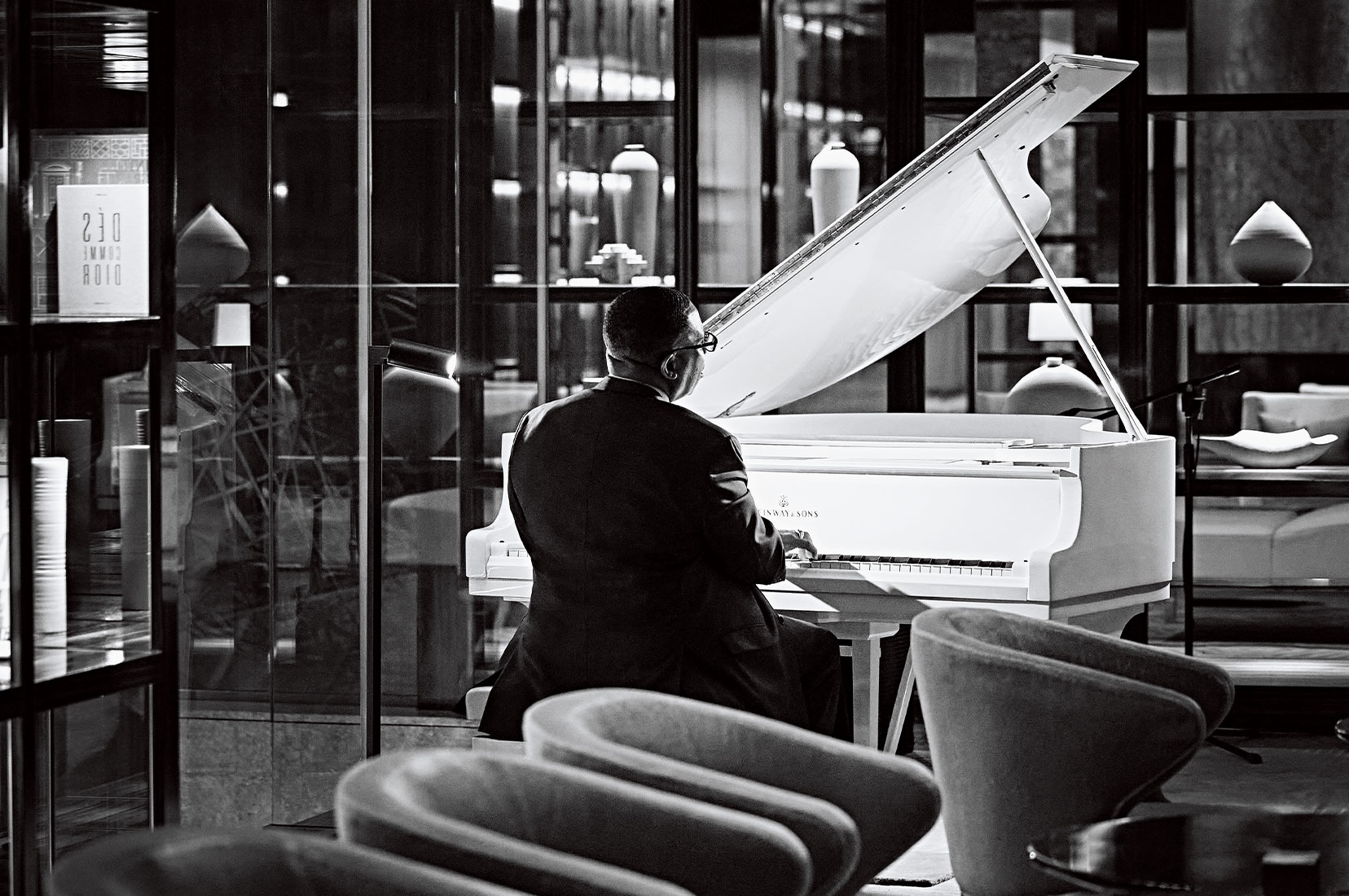
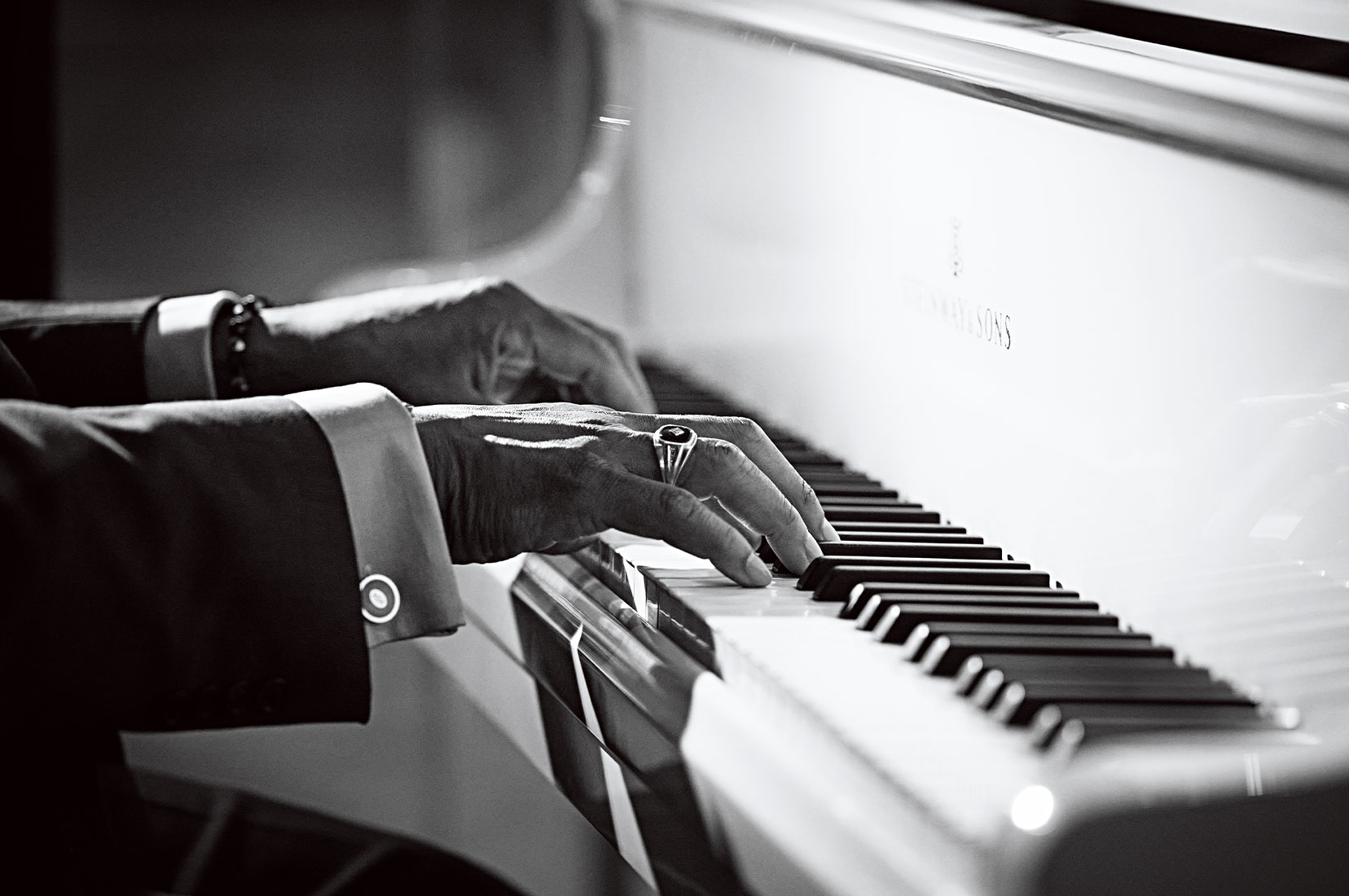
There is a white Steinway grand piano in The Palace Lounge. Greg takes his seat there at 8 pm and the melodious sound of the piano begins to drift through the lounge and lobby. A professional jazz pianist and composer from the United States, Greg has been playing the piano in Palace Hotel Tokyo’s lobby lounge for more than 12 years now, ever since the hotel was opened. This is an unusually long tenure for hotel performances, which may be why he describes Palace Hotel Tokyo as being “like family.”
His interest in music dates back to his childhood, sparked by the records his mother played while she was cleaning. She spotted his musical talent when Greg played the tunes by ear on an organ, and he started to take organ lessons when he was ten. He went on to play a range of different instruments, including the trumpet, saxophone, bass clarinet and was selected to play the bass clarinet in the America’s Youth in Concert orchestra while still in high school. They performed at New York’s prestigious Carnegie Hall before going on a four-week concert tour of Europe. “We played in various European cities, including London, Paris, Vienna and Florence. It was this experience that inspired me to try to become a professional musician.”
Greg then went on to Shenandoah Conservatory, majoring in piano, which had been a deep-seated passion. “I initially wanted to be a pipe organist but realized I wouldn’t be able to make a career of it. I chose the piano because I was determined that music would be my profession.”
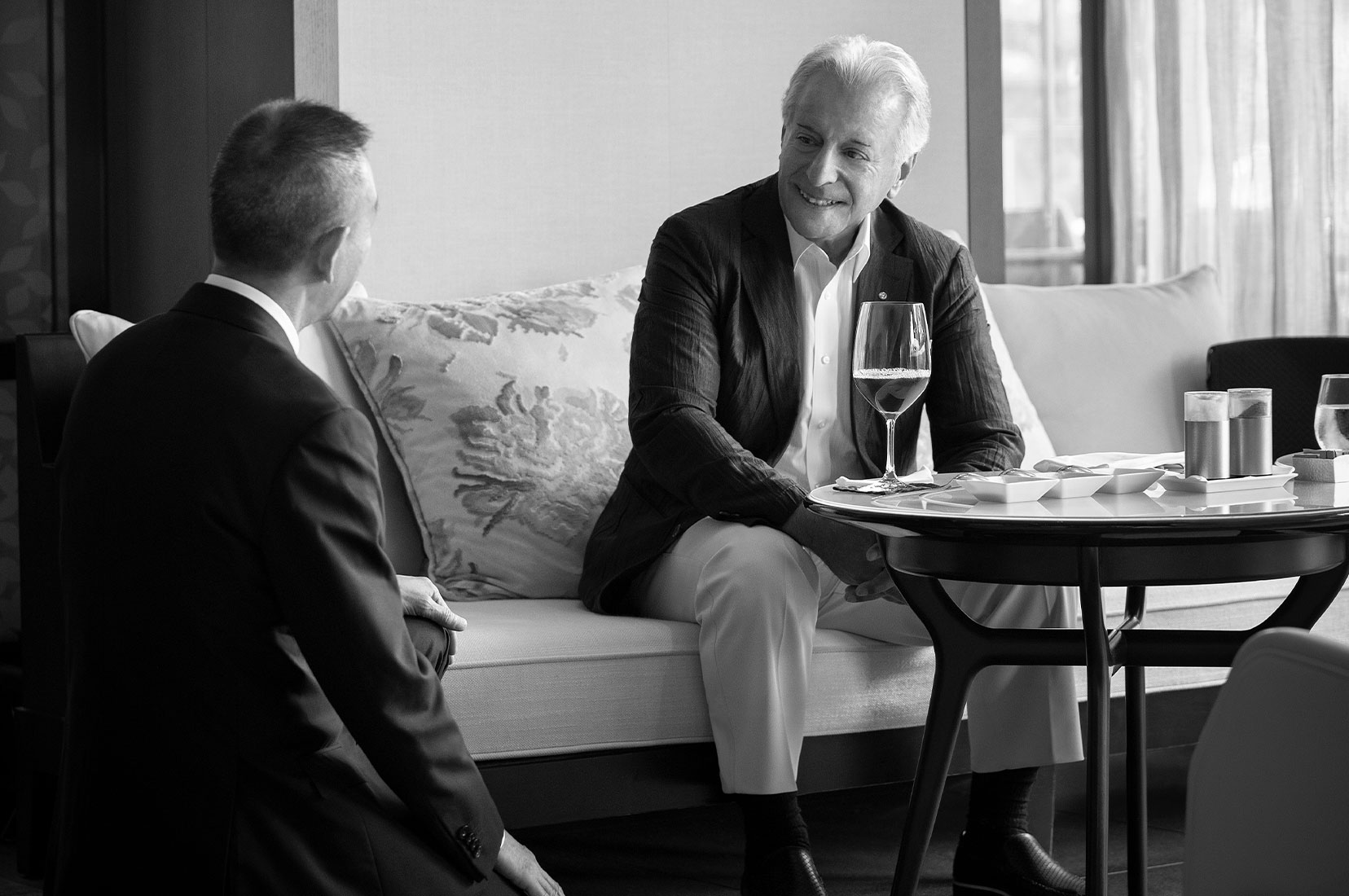
After graduating, he worked in places such as Washington, DC and Los Angeles before moving to New York in 1994. While he was the pianist at Windows on the World, a restaurant on the top floor of the World Trade Center, he was invited on his first trip to Japan by the general manager, who was opening a cigar bar in a Tokyo hotel. The manager was later involved in the opening of hotels in various parts of the world, and each time he would invite Greg to perform. The norm is for such contracts to be on a six-month basis, so his career lasting more than a decade at Palace Hotel Tokyo is a very rare case. This long-term “family relationship” began when the hotel reopened after the rebuild and the concierge introduced him to the general manager, a jazz fan who wanted to create an ambiance in the new hotel’s lobby lounge with live performances by trios and quartets, just like New York hotels. The general manager listened to Greg perform many times and was captivated by his music. This led to the signing of the exclusive contract that is still in place today.
Greg’s relationship with world-renowned Sadao Watanabe, the famed Japanese saxophonist, was also thanks to a hotel encounter. “While I was in charge of music at another hotel, Mr. Watanabe heard me perform and came up to speak to me. We hit it off and recorded together many times in the studio, and our music was even broadcast on his radio program. In 2014, I was the pianist for his two-week Kyushu tour. I’m grateful to have had the opportunity to perform with such a legendary musician.”
At the hotel Greg often plays music by artists such as Ryuichi Sakamoto and Bill Evans, as well as his original works. “I’ve listened to a lot of YMO over the years but hadn’t realized that Ryuichi Sakamoto was a member. I was surprised when I made that connection later.” When asked about his musical influences, he also cites Keith Jarrett and Oscar Peterson and says that his tastes have always inclined towards jazz. Even so, at the hotel he also plays Japanese children’s songs and takes requests from the guests. “I enjoy unexpected reactions, like the time a businessman who seemed too engrossed in negotiations to even hear the piano was suddenly amazed and cheerful after I played Queen’s Another One Bites the Dust.”
The reason many first-class hotels offer live performances is that music is a powerful form of hospitality. “Attractive facilities and good food are some of the things that draw people back to a hotel, but I think whether or not they had a good time is equally important,” says Greg. That is why, when he is performing, he thinks carefully about the people who are in the lounge and often selects which tunes to play by watching their reactions. “If there are kids I’ll play some Disney or movie music. If there are many elderly people I’ll play some Frank Sinatra, and if people are speaking Spanish I’ll play some Latin music. I read the audience and select which pieces to play because, for example, a young couple who’ve just started dating will enjoy different music from a couple who’ve been married for decades.” It all comes down to his desire to connect with the audience.
In a hotel, the music must not hinder the guests’ conversations or spoil the mood. That is why Greg is always very careful to connect with his listeners so that guests will have a wonderful time at Palace Hotel Tokyo. The sound of his piano is no doubt drifting through the lounge again this evening.
Text: Kazuhiro Nonaka
Photos: Sadato Ishizuka
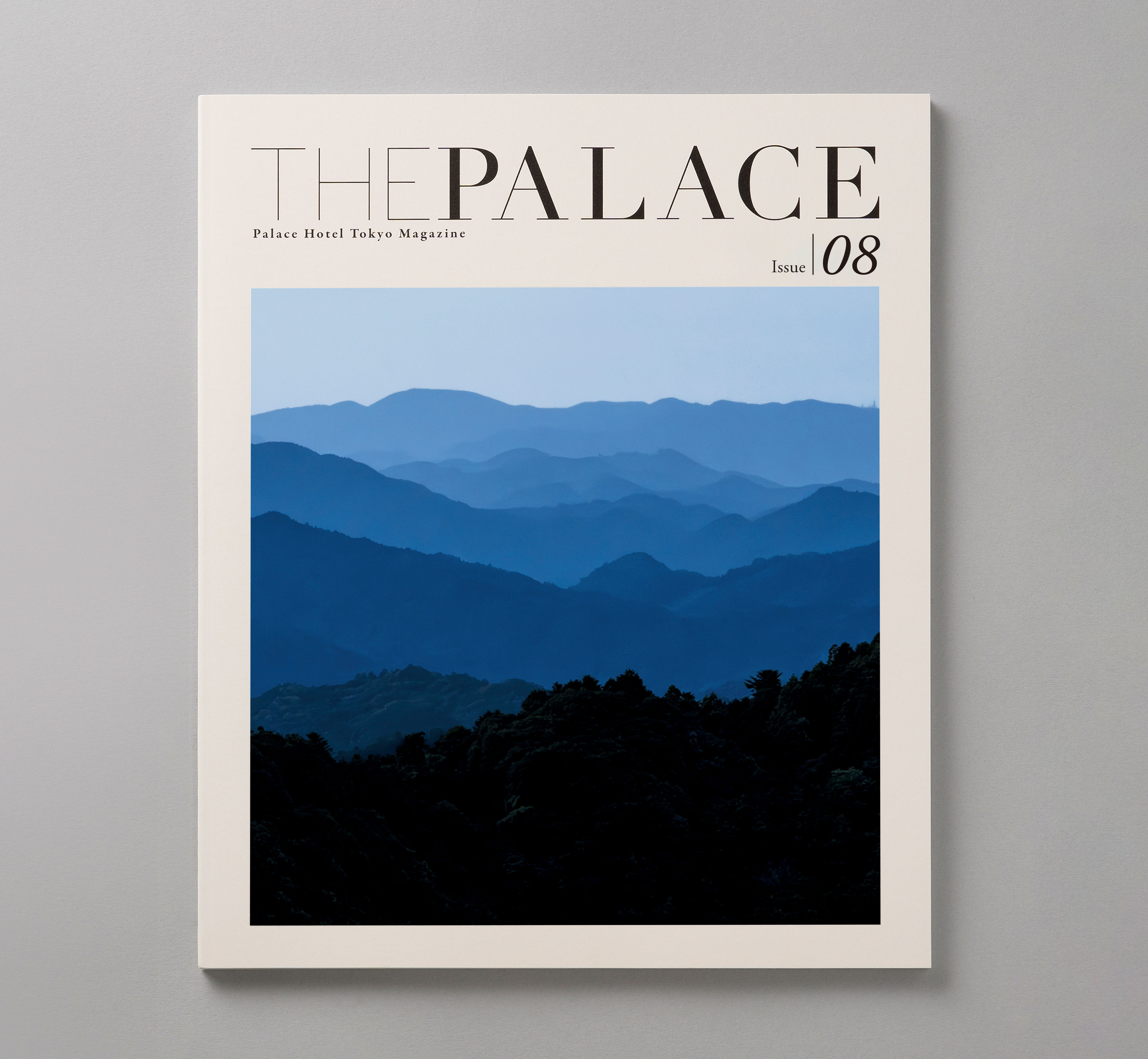
This article is based on an article that appeared in THE PALACE Issue 08 published in February 2025 and contains information current as of February 2026. Please note that the article uses text and photos from 2025, and there may be some information that is not up to date.


More